News & Publishing, photography, Politics & Public Policy

Elinor R. Tatum is E&P’s Publisher of the Year

Elinor R. Tatum, publisher and editor-in-chief of New York Amsterdam News, exemplifies what it means to be E&P’s Publisher of the Year. For 30 years, she’s thoughtfully led the news organization through formidable challenges—the advent of the internet and digital media, greater competition for audience, uncertainty related to revenue, and most recently, the COVID pandemic era. 

Tatum’s contribution far exceeds her work for the newspaper. She’s devoted her time and expertise to elevating other news media outlets and creating a sense of camaraderie so needed throughout the news media today. She’s a strategic risk taker and innovator—a change agent for the local news community, and especially the Black press. 

And one of the many things I found to be so inspirational about Tatum as I wrote this month’s cover story was her long history of motivating, encouraging, empowering and challenging her staff, peers, all of us. 

Read about Publisher Tatum at the link below, and check out E&P’s Editor-in-Chief Robin Blinder’s editorial introduction here: https://www.editorandpublisher.com/stories/inspiration-in-harlem,252692?newsletter=252745&vgo_ee=aWQmgzV5rfy%2BxfAMqNpxLpDgiOmuqKa8RiKGAIgxC8yh5T9ZH4Vq%3AFy1VRjwwp9beea%2F5LyuRkhAuWNTKp5vs

https://www.editorandpublisher.com/stories/leading-with-grace-and-power,252691

Military Service, News & Publishing, Non-fiction, photography, Politics & Public Policy, TV, Radio, Audio

Reporting on the war in the Middle East: Reporters contend with lack of access, harassment, censorship, arrests and danger to bring the front lines to readers worldwide

In late summer, I spoke with two journalists — Julian Borger, world affairs editor for The Guardian, and Nabih Bulos, who is the Los Angeles Times’ Middle East bureau chief — tasked with telling the story of the broadening war in Gaza. We spoke about the challenges of war coverage — about safety, working with local fixers and other journalists on the ground, about reporting on a region that it was nearly impossible to gain access to, and about the unpredictable nature of the work itself. For foreign correspondents, war means perpetual motion, a never-ending chase for anecdotes and atrocities, and meaningful context in sea of gray. 

The only certainty, it seemed to me, was the volatility and the potential for the war to entrap or entice other nations and other terrorist groups to join the fight. And that’s precisely how it’s playing out. With just a few days of my discussions with Bulos and Borger, Hezbollah fired rockets into northern Israel. 

Since, Israel retaliated by detonating pagers and mobile devices they believed to be in the hands of Hezbollah operatives. Iran-launched missiles rained down on Israel, and now the world holds its collective breath for Israel’s inevitable response to Iran’s assault. The one-year anniversary of the war passed. 

The statistics I cited in the story are already obsolete. Since October 7, 2023, the war has now claimed the lives of 1,706 Israelis, 42,409 Palestinians, and 2,448 in Lebanon. 

It is also one of the deadliest wars in the modern era for journalists. 128 have died. 40 have been wounded. At least 2 remain missing, according to the Committee to Protect Journalists. Please consider their sacrifices as you read this latest installment in our “Reporting On” series: 

https://www.editorandpublisher.com/stories/reporting-on-the-war-in-the-middle-east,252455

News & Publishing, photography, Politics & Public Policy, TV, Radio, Audio

Watch “Print It Black” on Hulu

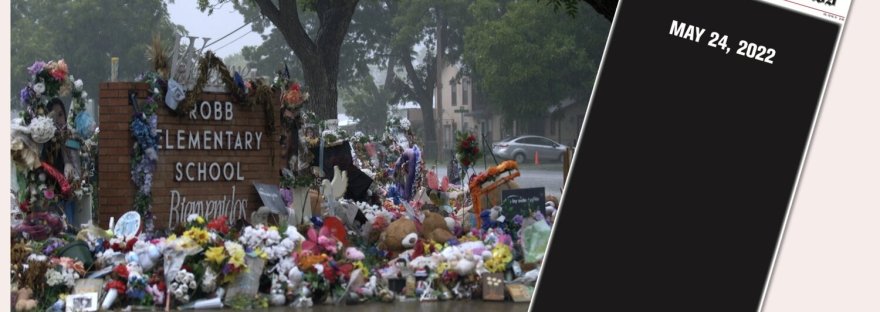
In the week that followed the horrific mass shooting at Robb Elementary in Uvalde, Texas, I was one of thousands of calls into the local newspaper, the Uvalde Leader-News. I was working on a story for E&P—part of the magazine’s “Reporting On” series—about journalists who have the daunting task of reporting mass shootings. 

On a few occasions that week, a member of the newsroom there would answer—audibly exhausted and grief-stricken, yet polite and professional—and take down my message for the owner-publisher Craig Garnett. I, of course, wanted to speak with him about my assignment, to learn in those still-raw moments what it takes for a newsroom to cover a story of this magnitude and tragedy. But so much more importantly, I wanted to express my sorrow, to let him and his entire newsroom know that we shared in their grief. After all, a member of our news community had been personally and profoundly impacted by this crime. ULN’s Crime Reporter Kimberly Mata-Rubio’s 10-year-old daughter, Lexi, was among the victims.

Despite an enormous weight on his shoulders, Garnett called me back a few days later, and generously, thoughtfully spoke about what his newsroom was going through. Through tears that seemed never-ending, I wrote the story

I’ve thought about that local paper—Garnett and the small, tight-knit staff—the Rubio family, and the community of Uvalde every day since.

I had the great honor to reconnect with Garnett last week, to talk about the ABC News documentary, “Print It Black,” now streaming on Hulu. It’s a difficult-to-watch yet important film that I implore everyone to see—a complex, nuanced and honest look at mass shootings in America, about life in a small town, about racism, poverty and classicism, and about a local newsroom rising to an occasion for which it never could prepare.

#Uvalde #LocalNews #RobbElementary #UvaldeLeaderNews #ABCNews #documentary

Food, Travel, Culture, photography, Uncategorized

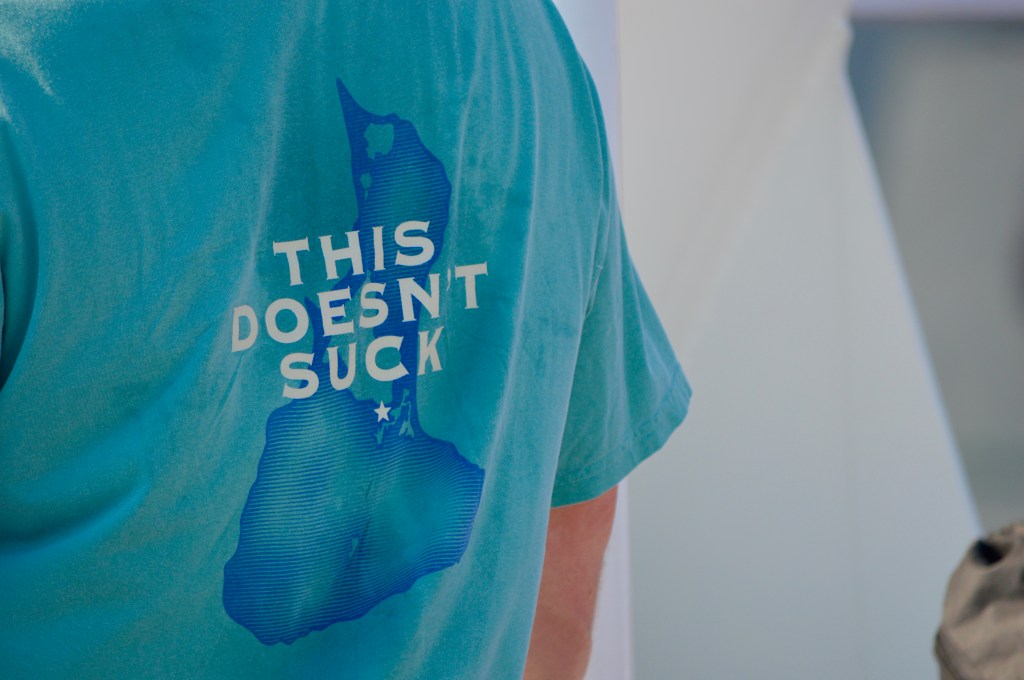
On the Block: A Photographic Tour of Block Island

All photos ©G.A. Peck

Block Island is just off the coast of Rhode Island, accessible by ferries that leave from New London, Connecticut and Point Judith, Rhode Island. 

The island only has approximately 1,400 residents, but it’s a popular day-trip, weekend or vacation destination for visitors. 

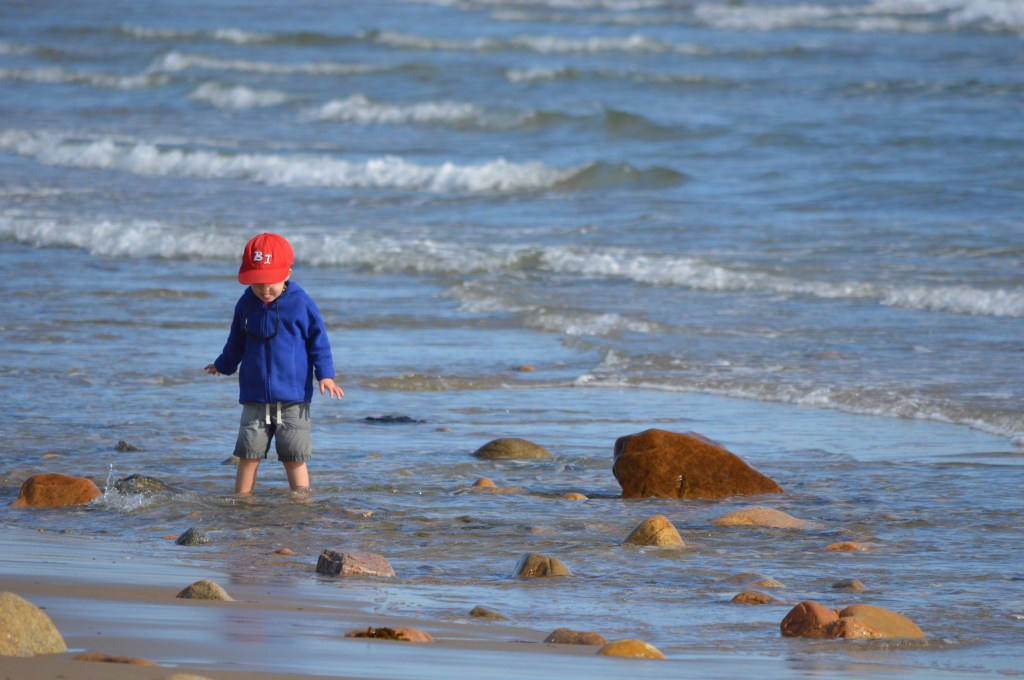
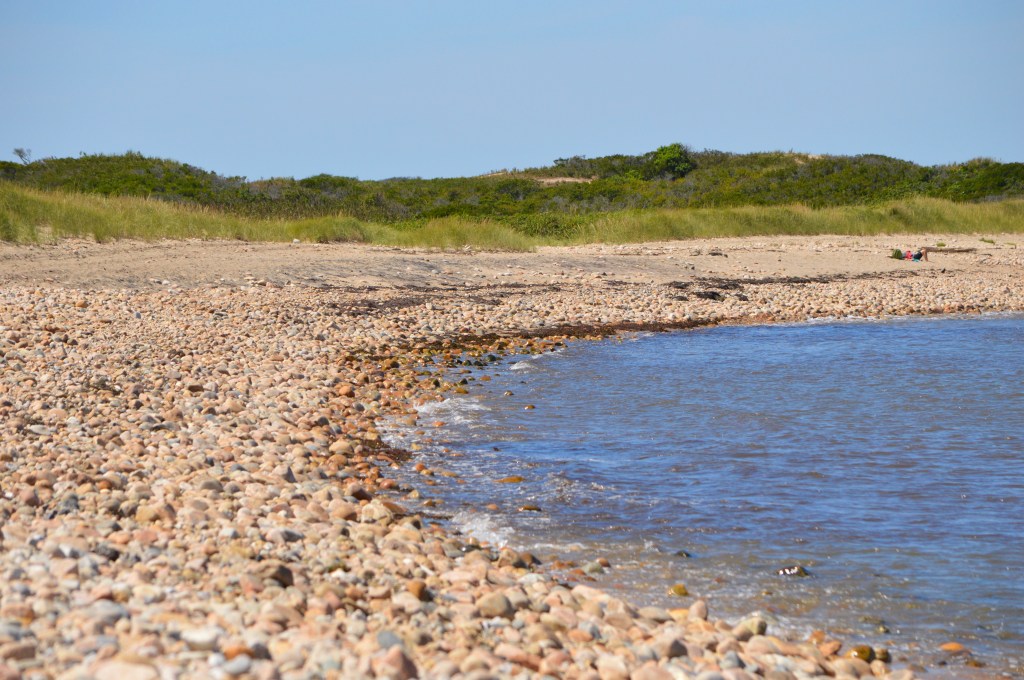
The island has both sandy and pebble beaches, accessible and free. 

Beginner surfers catch waves on the main public beach. 

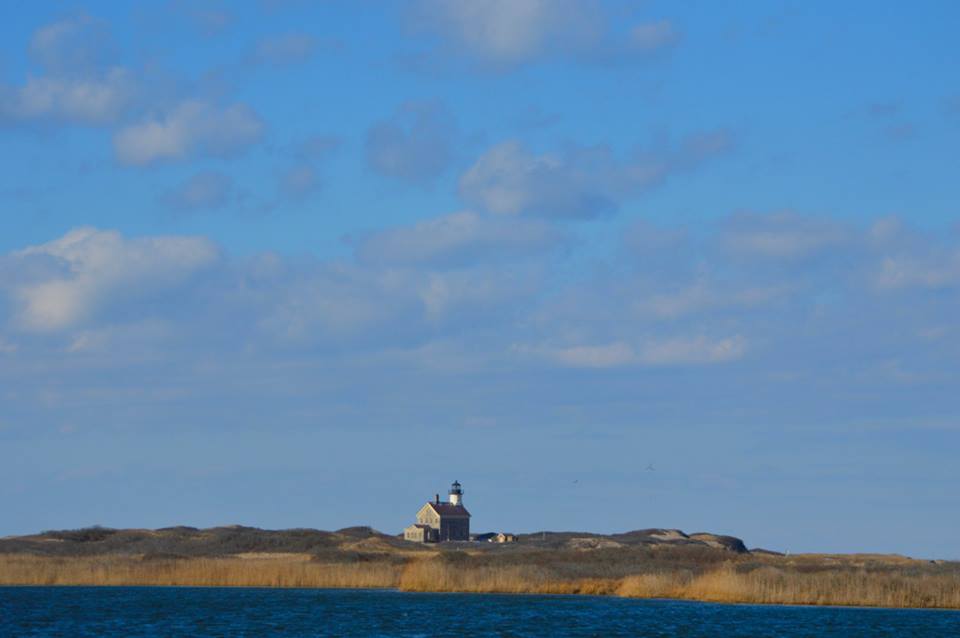
There are two lighthouses — one you can tour and another that’s popular with photographers.

The island can be quite crowded during the summer season. But it’s also a wonderfully romantic destination for off-season visitors. One of my favorite trips to the island was New Year’s Eve one year. There were only a handful of tourists. Locals all descended on a local bar, Yellow Kittens, to ring in the New Year, and the next morning, they all gathered on the beach for an annual Polar Bear Plunge and bonfire. 

Block Island homes derive nearly 100% of their energy from offshore wind. There are five windmills off its coast, which have become another popular tourist attraction. Chartered boats take you up close and personal with the wind turbines. It’s a great way to get a feel for their massive scale. 

The ferries are the most popular way to get to the island, but if you’d like a special voyage, take a small-craft plane out of Westerly, Rhode Island’s airport. It’s a 12-minute flight on a plane that holds about eight passengers and their luggage. 

The plane is no frills. There are no drink carts, no extra leg-room seats, and no air conditioning. On this flight, during a particularly hot day, our pilot asked, “Would you like me to turn on the air conditioning?” The passengers all chimed in together with a resounding, “Yes.” Little did we know that the “AC” meant she put her cockpit window down and used the palm of her hand to direct a breeze back into the cabin. 

Can confirm.