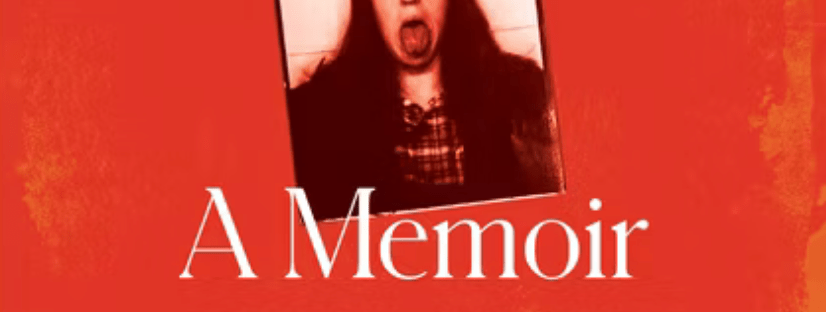
“Any journalist will tell you. Sometimes you hear something so quotable that you can see the words in print in real time, right before your eyes. The room changes when deep truths are being spoken, when raw honesty is in the air.”—Cameron Crowe, “The Uncool: A Memoir”
If you’re a journalist who likes to see other journalists’ approach to the craft, I recommend Cameron Crowe’s autobiographical “The Uncool: A Memoir.” Crowe is a fascinating person. There is his undeniable storytelling talent, proven by his many decades as an accomplished music journalist, screenwriter and director.
There’s his encyclopedic knowledge of music from the 1960s-1980s — and perhaps beyond. There’s his almost Forrest Gump-like fortunes and happenstances, where he casually meets and vibes with so many important figures of those decades, from the worlds of music, industry, Hollywood. It’s a collage of pop culture.
The reader gets a sense of Crowe’s perspective on journalism, and the lessons he learned from mentors along the way. He wrestles with editorial dilemmas and relationships with sources. You sense the pressures he felt answering to editors, rock stars, publicists and readers — especially remarkable when he was a teenage reporter. That kid (then) had precisely what it takes to make a name, to build a byline and a brand: courage, resilience, introspection, fortitude, a great vocabulary, an inquisitive nature, and a little dash of naïveté.
The author says this is a story about family. Crowe’s family takes center stage throughout the book. Their connections are complicated, and he doesn’t sanitize them. He peels back the curtain on their shared tragedies and idiosyncrasies. It’s all relatable.
Naturally, in the memoir there’s the running theme of Crowe’s early life, which he so astutely, delicately captured in the semi-autobiographical film, “Almost Famous.” That is, his absolutely passionate love for music and reverence for the people who make it. You feel it. It’s almost tactile, vibrating off the printed page.


 Gretchen A. Peck